
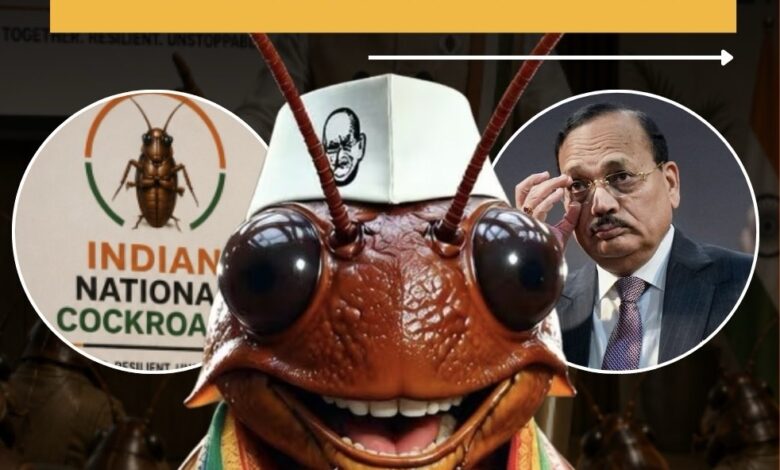
A new chapter has emerged in India’s rapidly growing internet-driven satire culture after influencers June and Lochan launched a fresh political-style digital movement amid the viral rise of the so-called “CJP wave.”
The development comes as online meme communities, parody political campaigns, and youth-led satire pages continue dominating Indian social media platforms including Instagram, X, and YouTube.
What initially started as internet humor and meme content has now transformed into a large-scale digital movement attracting lakhs of followers and generating intense online debate around unemployment, youth frustration, governance, and political identity.
The original CJP trend — which exploded through memes, fake campaign-style edits, parody membership drives, and satirical political messaging — quickly evolved into one of India’s most talked-about Gen Z internet phenomena over the past few weeks.
Now, creators June and Lochan have entered the space with what many users are calling a “rival movement,” further intensifying the online buzz surrounding the trend. Their launch announcement rapidly gained traction across Instagram reels and meme pages, with users comparing the growing digital rivalry to real-world political campaigning.
Meme Culture Turning Into Mass Participation
One of the biggest reasons behind the viral spread of the movement is its mix of comedy, irony, and relatable frustration among young Indians.
Thousands of users have been sharing parody political posters, fictional party slogans, membership screenshots, AI-generated campaign visuals, and satirical speeches. Despite its humorous origins, the trend has also opened discussions around unemployment, rising competition, exam pressure, economic anxiety, and disillusionment with traditional politics.
Social media analysts say the phenomenon reflects how Gen Z increasingly uses humor and internet culture to discuss serious social and political concerns.
The movement has especially resonated with college students and young professionals, many of whom view meme-based political satire as more engaging and relatable than traditional political discourse.
Internet Communities Fueling Rapid Growth
The viral growth has largely been driven by algorithm-heavy short video platforms and meme-sharing communities. Influencers, creators, and parody accounts have continuously amplified the trend through reaction videos, edits, debates, and collaborative content.
The movement’s popularity has also sparked divisions online. While supporters describe it as harmless satire and youth expression, critics argue that hyper-viral political parody movements can sometimes blur the line between misinformation, entertainment, and genuine political messaging.
Still, the rapid rise of the trend demonstrates the growing influence of creator-led internet communities in shaping modern political conversations in India.
A New Era of Digital Political Satire?
Experts believe the CJP wave and its emerging “rivals” could mark a new phase in India’s online culture where meme movements evolve into large-scale digital identities.
Unlike traditional political organizations, these internet-born movements thrive on relatability, humor, participation, and virality rather than structured ideology.
Whether the trend remains a temporary meme phenomenon or develops into something larger, it has already proven one thing clearly — India’s Gen Z internet culture is becoming a powerful force capable of driving nationwide conversations at massive scale.


