

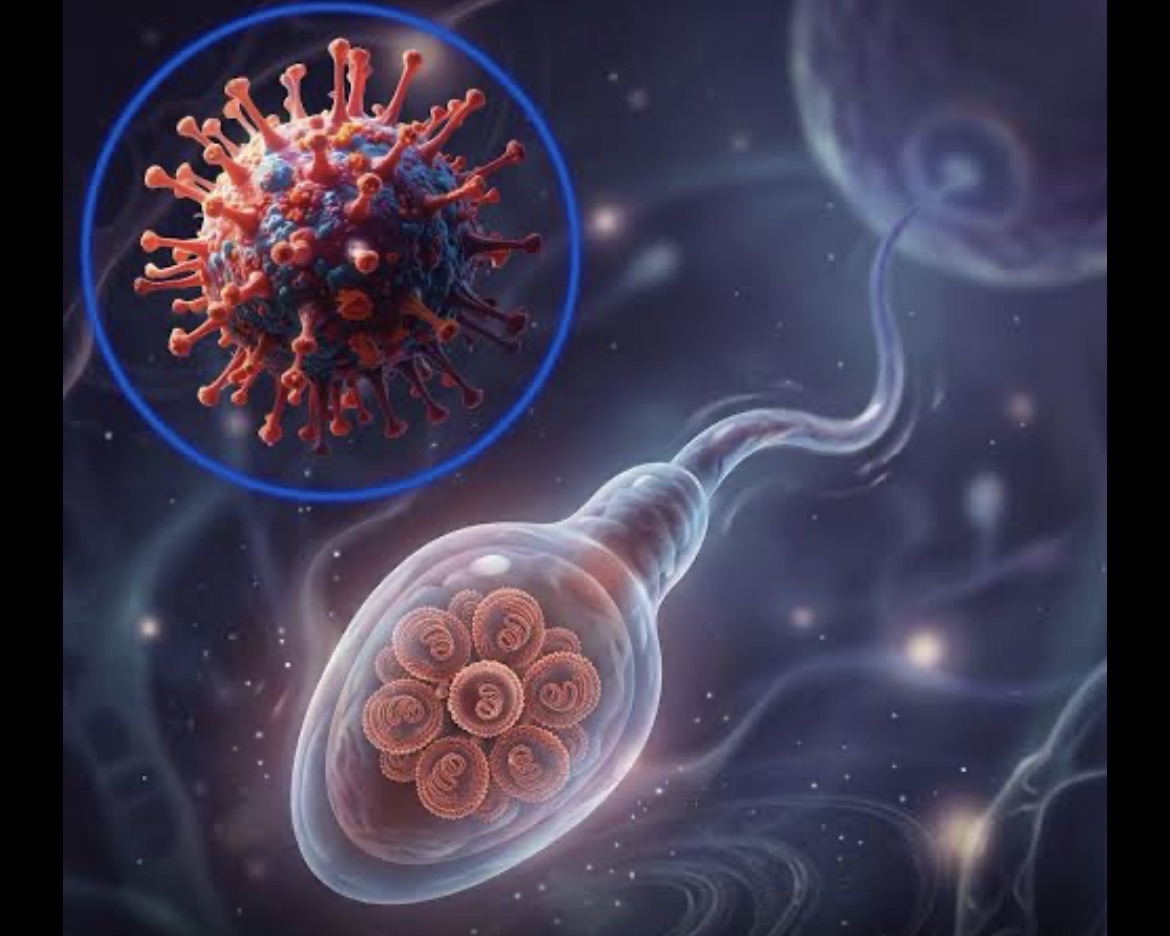
A new medical study has sparked global attention after researchers suggested that hantavirus genetic material may survive in human sperm for up to six years following infection.
The findings are raising new questions about how long certain viruses can persist inside the human body and whether long-term reproductive system reservoirs may exist even after apparent recovery.
Scientists involved in the research emphasized that the study detected viral genetic material, not necessarily infectious live virus. However, the discovery could significantly influence future research into viral persistence and long-term monitoring of recovered patients.
What Is Hantavirus?
Hantavirus is a potentially deadly virus primarily spread through exposure to infected rodent urine, droppings, or saliva.
The disease can cause severe complications including:
- respiratory failure,
- kidney damage,
- internal bleeding,
- and life-threatening pulmonary syndromes.
While outbreaks are relatively rare, hantavirus infections have historically carried high fatality rates in some regions.
Why the Study Matters
Researchers say the findings could reshape scientific understanding of how viruses behave after infection.
The possibility that viral material may remain inside reproductive tissues for years raises broader questions about:
- long-term immune response,
- viral latency,
- reproductive health implications,
- and future monitoring protocols.
However, health experts stress that there is currently no confirmed evidence of sexual transmission of hantavirus in humans.
Further studies will be needed to determine:
- whether the remaining material is biologically active,
- whether transmission risk exists,
- and how common such persistence may be.
Growing Focus on Viral Persistence Research
The study arrives amid increasing global scientific interest in long-term viral persistence following the COVID-19 pandemic.
Researchers worldwide are now investigating how various viruses may remain hidden in:
- reproductive tissues,
- the nervous system,
- organs,
- and immune system reservoirs long after symptoms disappear.
Medical experts say understanding these mechanisms could become important for future infectious disease management and pandemic preparedness.
Scientists Urge Caution
Despite the attention surrounding the findings, researchers are cautioning against panic or misinformation.
The study remains under scientific review, and experts note that detecting fragments of viral RNA or genetic material does not automatically mean a person remains infectious.
Public health officials continue to state that hantavirus transmission is primarily linked to rodent exposure rather than human-to-human spread.
Still, the findings are expected to trigger further international research into long-term viral behavior inside the human body.