Ebola Outbreak in Congo Sparks Scrutiny Over US Aid Cuts and Global Health Funding


The worsening Ebola outbreak in the Democratic Republic of the Congo is now triggering growing criticism of recent cuts to international health funding, particularly reductions tied to US-backed aid programs and epidemic preparedness systems.
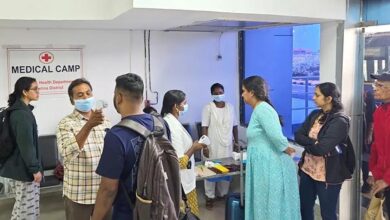
Frontline health workers and humanitarian organizations say years of declining foreign assistance left critical healthcare infrastructure weakened just before the outbreak escalated into one of the region’s most serious public health emergencies in recent years.
According to health officials, the outbreak has already surpassed 600 suspected cases and caused more than 150 suspected deaths, with the virus spreading across parts of northeastern Congo and beyond the original outbreak zone.
Aid Cuts Allegedly Weakened Early Detection Systems
Several aid workers and public health experts claim funding reductions severely damaged disease surveillance networks, staffing capacity, sanitation programs, and emergency response infrastructure before the outbreak intensified.
Programs designed to:
- Detect Ebola outbreaks early
- Train healthcare workers
- Stockpile protective equipment
- Support local clinics
- Maintain contact-tracing systems
were reportedly reduced or suspended after major foreign aid restructuring and funding cuts.
Health responders described shortages involving:
- Face masks
- Medical supplies
- Diagnostic equipment
- Motorbikes for contact tracing
- Isolation infrastructure
- Laboratory testing capacity
during the critical early phase of the outbreak.
WHO and UN Escalating Emergency Response
World Health Organization has declared the outbreak a public health emergency and warned about the “scale and speed” of transmission.
The United Nations has now deployed emergency funding and additional personnel to support containment operations in affected areas.
However, responders face major challenges including:
- Armed conflict in eastern Congo
- Population displacement
- Community mistrust
- Weak transportation infrastructure
- Delayed detection of infections
Experts say the outbreak may have circulated undetected for nearly two months before being formally identified.
Rare Ebola Strain Complicating Response
The current outbreak involves the Bundibugyo strain of Ebola, a relatively rare variant for which no fully approved vaccine currently exists.
This has complicated containment efforts because many existing diagnostic systems and vaccine strategies were primarily optimized for the more common Zaire strain of Ebola.
Health authorities say delayed identification of the strain further slowed response operations during the early stages of transmission.
Debate Growing Around Global Health Preparedness
The outbreak is reigniting global debate over international health funding and epidemic preparedness following reductions in pandemic-era support programs.
Critics argue that scaling back public health infrastructure and foreign aid programs may ultimately increase long-term global health risks by weakening outbreak prevention systems in vulnerable regions.
Meanwhile, US officials maintain that support for Ebola response efforts continues through restructured programs and emergency assistance measures.
Public health experts warn that without rapid international coordination, stronger surveillance, and sustained funding, the outbreak could continue expanding across central Africa and potentially threaten wider regional stability.