

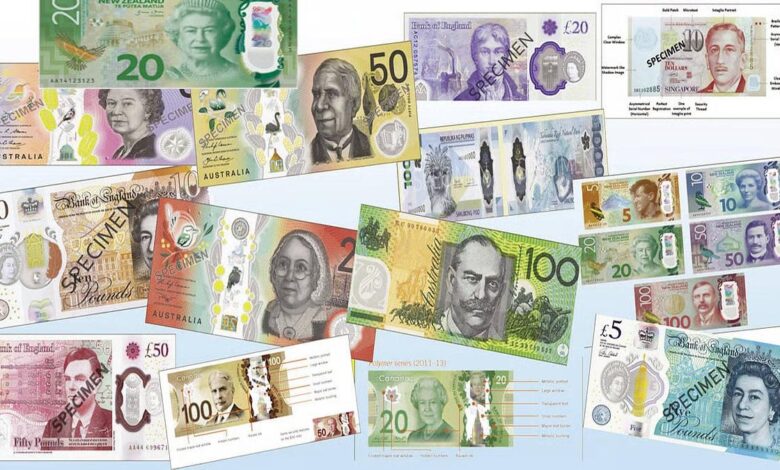
Reserve Bank of India is reportedly considering the introduction of polymer banknotes as part of efforts to modernize India’s currency system and improve the durability and security of physical cash.
According to reports, the proposal could eventually see traditional paper-based currency gradually replaced with notes made from polymer, a specialized plastic material already used by several countries around the world.
Why Polymer Notes Are Gaining Attention
Polymer banknotes are generally known for being:
- More durable than paper notes
- Resistant to water and moisture
- Harder to counterfeit
- Cleaner and more hygienic
- Longer-lasting in circulation
Unlike conventional cotton-based currency paper, polymer notes can remain usable for significantly longer periods, reducing replacement costs for central banks.
Many Countries Already Use Polymer Currency
Several major economies have already adopted polymer banknotes, including:
- Australia
- Canada
- United Kingdom
- New Zealand
- Singapore
Australia pioneered the technology and has used polymer currency nationwide for decades.
Better Protection Against Counterfeiting
One of the biggest advantages of polymer notes is the ability to incorporate advanced security features such as:
- Transparent windows
- Complex holograms
- Micro-printing
- Color-shifting elements
- Embedded security devices
These features make counterfeit production considerably more difficult compared to traditional paper notes.
Could Reduce Currency Replacement Costs
India prints billions of banknotes annually due to wear and tear from heavy circulation.
Because polymer notes typically last several times longer than paper notes, the transition could potentially:
- Lower long-term printing costs
- Reduce replacement frequency
- Improve currency quality in circulation
- Decrease logistical expenses
While initial production costs are often higher, central banks frequently recover those costs through longer note lifespans.
Digital Payments Continue Growing
The proposal comes even as India remains one of the world’s fastest-growing digital payments markets.
Platforms powered by:
- UPI
- Mobile wallets
- Online banking
- QR-based payments
have dramatically reduced dependence on cash for many transactions.
However, physical currency remains essential for:
- Rural areas
- Small businesses
- Emergency situations
- Cash-based sectors of the economy
No Final Decision Yet
Reports indicate that the RBI is still evaluating the feasibility, costs, and operational requirements of introducing polymer notes.
Any nationwide rollout would likely occur gradually and involve:
- Pilot programs
- Security testing
- Production planning
- Public awareness campaigns
The central bank has not yet announced a timeline for implementation.
Part of Broader Currency Modernization
If approved, polymer banknotes would represent one of the biggest changes to India’s physical currency system in decades.
As governments worldwide seek stronger security features and lower long-term currency management costs, polymer notes are increasingly viewed as the future of cash.
For India, the move could combine enhanced durability, improved anti-counterfeiting protection, and greater efficiency while ensuring cash remains a reliable payment option alongside the country’s rapidly expanding digital economy.


