Tesla Reportedly Walks Away From India Manufacturing Plans After Years of Stalled Talks

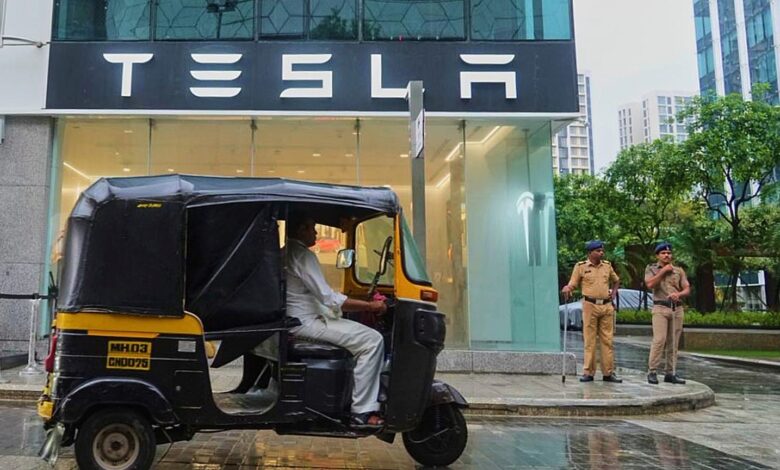
Tesla has reportedly backed away from its plans to establish manufacturing operations in India following years of negotiations, regulatory discussions, and disagreements over import tariffs and local production conditions.
According to reports citing sources familiar with the matter, prolonged delays and shifting policy expectations surrounding India’s electric vehicle tariff structure contributed to Tesla’s decision to halt progress on manufacturing talks.
The development comes after several years of public discussions between Tesla executives and Indian authorities regarding the possibility of building a factory in India and selling Tesla vehicles directly in the country.
Tariff Disputes Remained a Major Obstacle
One of the biggest sticking points throughout negotiations involved India’s high import duties on fully built electric vehicles.
Tesla had repeatedly pushed for lower import tariffs so it could test market demand with imported vehicles before committing billions of dollars toward local manufacturing facilities.
However, Indian policymakers consistently emphasized that large-scale local manufacturing commitments should come first before offering significant tariff concessions.
The disagreement reportedly created repeated delays and uncertainty during negotiations.
India currently imposes some of the world’s highest import duties on premium automobiles, especially fully assembled foreign EVs, which significantly increases Tesla vehicle prices for Indian consumers.
India’s EV Ambitions Face Setback
The reported withdrawal represents a significant setback for India’s ambitions to position itself as a major global electric vehicle manufacturing hub.
Indian officials have spent years attempting to attract Tesla as part of broader efforts to expand domestic EV production, battery manufacturing, and clean energy infrastructure.
A Tesla manufacturing facility in India was expected to potentially:
- Create thousands of jobs
- Strengthen the EV supply chain
- Boost local battery manufacturing
- Increase foreign investment
- Accelerate EV adoption in India
Despite the manufacturing setback, analysts say Tesla may still eventually enter the Indian retail market through imports if future policy conditions become more favorable.
Tesla Focusing on Other Global Markets
The company continues expanding production capacity across other international markets, including the United States and China, while also evaluating future manufacturing opportunities in regions offering stronger supply chain advantages and policy stability.
Elon Musk has previously expressed interest in India’s long-term EV potential, calling the country one of the world’s most promising future markets due to its massive population and growing middle class.
However, Tesla’s strategy has historically focused on balancing market entry with profitability and manufacturing efficiency.
India Still Pushing EV Growth
Even without Tesla manufacturing, India’s EV ecosystem continues growing rapidly through domestic automakers and global partnerships.
Companies including Tata Motors, Mahindra & Mahindra, and BYD continue expanding their EV presence in the Indian market.
The Indian government also remains committed to increasing electric mobility adoption through subsidies, charging infrastructure investments, and local manufacturing incentives under various production-linked incentive schemes.
Still, Tesla’s reported exit from manufacturing discussions highlights the ongoing challenges global automakers face when navigating India’s complex regulatory and tariff environment.