Draft US-Iran Deal Reportedly Includes Possible $300 Billion Investment Fund for Iran

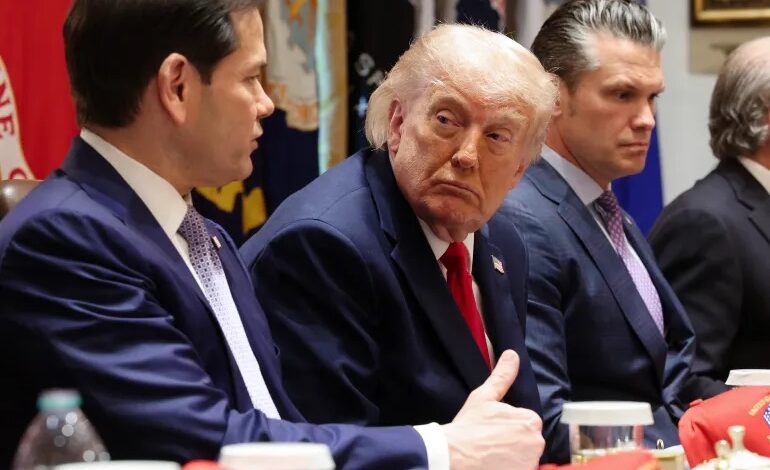
A draft framework being discussed between the United States and Iran reportedly references a massive $300 billion investment and reconstruction fund aimed at supporting Iran’s economy as part of a broader diplomatic agreement.
According to multiple reports citing diplomats and officials familiar with negotiations, the proposed fund would potentially form part of a larger de-escalation arrangement involving sanctions relief, maritime security, and regional stability measures.
Investment Fund Could Become Core Part of Peace Framework
The proposed financial mechanism is reportedly being discussed as an “investment fund” or “reconstruction program” rather than direct war reparations.
Iranian negotiators had earlier demanded compensation linked to military and economic damage, with some Iranian estimates reportedly ranging between $300 billion and $1 trillion.
However, diplomats involved in the talks say the current proposal reframes the idea as an internationally supported investment structure intended to help stabilize and rebuild Iran’s economy if a final agreement is reached.
Wider Agreement May Include Hormuz and Sanctions Issues
The reported framework discussions also involve several major geopolitical issues, including:
- Reopening the Strait of Hormuz
- Maritime security arrangements
- Phased sanctions relief
- Frozen Iranian assets
- Nuclear-related negotiations
- Temporary non-aggression terms
The Strait of Hormuz remains one of the world’s most strategically important energy corridors, handling a major share of global oil shipments.
US Companies Could Potentially Enter Iranian Market
Some reports indicate Iranian officials proposed allowing major American companies, including energy firms, to enter Iran through joint investment partnerships if sanctions are eventually eased.
The proposal reportedly includes discussion around:
- Infrastructure investment
- Energy projects
- Real estate development
- Industrial partnerships
Analysts say such arrangements would represent one of the most dramatic economic openings between the two countries in decades.
No Final Deal Confirmed Yet
Despite growing reports, officials caution that negotiations remain highly fluid and no finalized agreement has been formally approved.
Several major issues reportedly remain unresolved, including:
- Enforcement mechanisms
- Nuclear program limits
- Military positioning
- Timeline guarantees
- Structure of the investment fund
Even diplomats involved in mediation reportedly disagree on parts of the draft language and financial details.
Markets Watching Negotiations Closely
Global financial and energy markets are reacting closely to developments because any successful agreement could significantly impact:
- Oil prices
- Global inflation
- Shipping costs
- Gulf stability
- International trade routes
Reports surrounding possible Hormuz reopening efforts have already contributed to volatility in oil and stock markets this week.
One of the Biggest Diplomatic Economic Proposals in Years
If implemented, the proposed $300 billion framework would rank among the largest economic packages ever associated with a Middle East geopolitical settlement.
However, analysts stress that the current discussions remain part of an evolving negotiation process rather than a finalized binding treaty.
For now, uncertainty continues to dominate as both Washington and Tehran publicly signal interest in diplomacy while simultaneously disputing several details emerging from negotiations.