
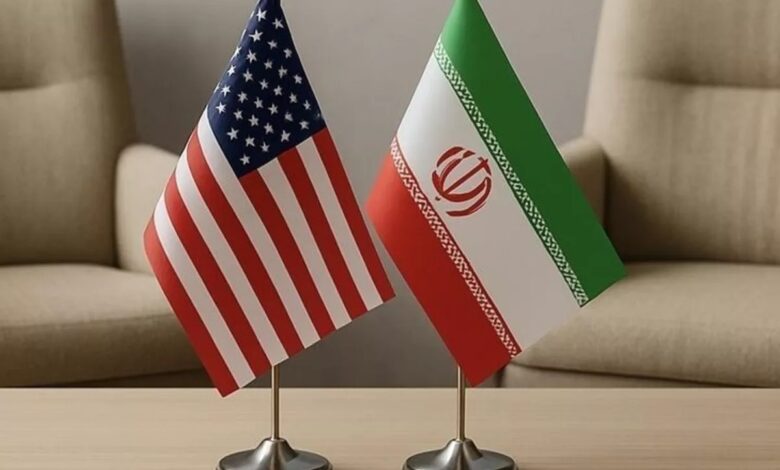
Iran’s state-linked Fars News Agency has sharply pushed back against recent statements made by Donald Trump regarding a possible agreement between Tehran and Washington.
According to Fars, informed Iranian sources described Trump’s public comments as “a mixture of truth and lies,” accusing the US president of attempting to portray a false diplomatic victory before major disputes between the two sides are actually resolved.
Conflicting Narratives Emerging Around Negotiations
The latest remarks highlight the growing confusion and mixed messaging surrounding ongoing indirect negotiations tied to:
- The Strait of Hormuz
- Regional military tensions
- Sanctions relief
- Nuclear-related issues
- Maritime security arrangements
Trump recently suggested that a broader agreement with Iran had been “largely negotiated,” fueling speculation about a possible de-escalation framework in the Gulf region.
However, Iranian officials and state-linked media have repeatedly disputed several aspects of those claims.
Iran Says Key Issues Remain Unresolved
According to reports linked to Fars News, Iranian negotiators insist that significant disagreements still remain unresolved and that no finalized agreement exists yet.
Iranian officials reportedly believe Washington is attempting to shape global public perception and calm financial markets by presenting negotiations as more advanced than they actually are.
In previous disputes over negotiations, Tehran has similarly accused Trump of:
- Media manipulation
- Domestic political messaging
- Attempting to influence oil markets
- Creating pressure through public statements rather than formal diplomacy
Strait of Hormuz Remains Central Issue
The dispute comes amid continuing tensions surrounding the Strait of Hormuz, one of the world’s most strategically important maritime chokepoints.
Any agreement involving the strait could significantly impact:
- Global oil prices
- Shipping routes
- Energy markets
- Gulf military activity
- International trade flows
Iran has previously rejected claims suggesting it would surrender control or authority over Hormuz operations.
US and Iran Still Signaling Possibility of Talks
Despite the public disagreements, multiple international reports indicate that indirect diplomatic channels between the two countries may still remain active.
Regional mediators including Oman have reportedly continued facilitating communication aimed at preventing a broader military escalation in the Gulf.
At the same time, both sides continue exchanging military threats and conducting strategic operations across the region, underscoring how fragile the situation remains.
Markets Watching Every Development Closely
Global markets are reacting sensitively to every statement emerging from Washington and Tehran because of the enormous economic importance of Gulf stability.
Recent tensions have already contributed to:
- Oil price volatility
- Shipping insurance increases
- Fuel price spikes globally
- Investor uncertainty
Analysts say even rhetorical shifts from either side can heavily influence financial and energy markets.
Diplomatic Uncertainty Continues
For now, there remains no officially confirmed comprehensive agreement between the United States and Iran.
Instead, the situation appears increasingly defined by:
- Conflicting public narratives
- Indirect diplomacy
- Strategic signaling
- Ongoing regional tensions
As negotiations, military activity, and political messaging continue simultaneously, uncertainty around the future of US-Iran relations remains extremely high.


