

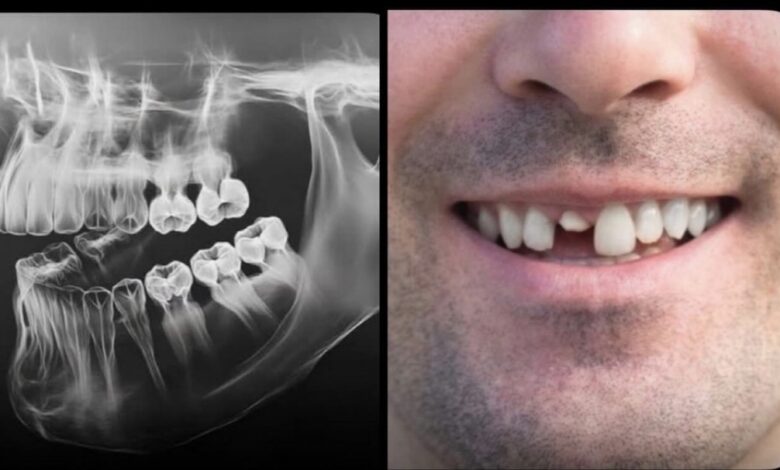
A potentially revolutionary tooth-regrowth treatment has officially entered human clinical trials, raising hopes that future dental care could eventually allow patients to naturally regrow missing teeth instead of relying on implants or dentures.
Researchers behind the project say the experimental therapy is designed to stimulate dormant tooth-generation mechanisms inside the human body.
How the Tooth Regrowth Drug Works
The treatment reportedly targets proteins that suppress natural tooth development.
Scientists believe blocking specific biological pathways may activate dormant tooth buds capable of generating entirely new teeth.
Unlike traditional dental solutions such as:
- Implants
- Dentures
- Artificial crowns
the therapy aims to trigger actual biological tooth regeneration.
Major Breakthrough in Regenerative Medicine
Experts say successful tooth regrowth would represent one of the most significant breakthroughs in regenerative medicine and dentistry in decades.
Researchers worldwide have long explored ways to regenerate:
- Teeth
- Bone tissue
- Organs
- Nerve cells
using advanced biological and genetic technologies.
The current clinical trial marks one of the first serious attempts to translate tooth regeneration research into practical human treatment.
Clinical Trials Now Underway
The drug has reportedly entered human safety and effectiveness trials after years of laboratory and animal testing.
Clinical trials are expected to evaluate:
- Safety
- Side effects
- Tooth regeneration success rates
- Long-term biological stability
Researchers caution that widespread public availability may still take years depending on trial outcomes and regulatory approvals.
Could Transform Future Dentistry
If successful, the technology could fundamentally reshape dental treatment globally.
Potential future applications may include:
- Replacing missing teeth naturally
- Treating congenital tooth loss
- Restoring damaged teeth
- Reducing reliance on implants
The global dental industry currently relies heavily on artificial replacement systems, making biological regeneration a potentially disruptive innovation.
Aging Populations Driving Interest
Tooth loss remains a major healthcare issue worldwide, particularly among:
- Elderly populations
- Patients with gum disease
- Accident victims
- Individuals with congenital dental disorders
A natural regrowth treatment could significantly improve quality of life and long-term oral health outcomes.
Scientists Urge Cautious Optimism
Despite excitement surrounding the trials, experts stress that many experimental medical therapies fail during clinical testing.
Researchers say important unanswered questions still include:
- Durability of regrown teeth
- Functional performance
- Long-term safety
- Cost and accessibility
Large-scale commercial use would require extensive additional validation.
Japan Leading Much of the Research
Several pioneering tooth regeneration efforts have emerged from Japan, where researchers have been studying genetic mechanisms linked to tooth development for years.
Scientists believe humans may retain dormant biological potential for generating additional teeth under certain molecular conditions.
Future of Regenerative Healthcare Expanding
The development highlights the rapid progress happening in regenerative medicine, a field increasingly focused on helping the body repair or regrow its own tissues.
Experts believe future advances may eventually allow regeneration of:
- Teeth
- Organs
- Cartilage
- Skin
- Neural tissue
through targeted biological therapies.
For now, the beginning of human clinical trials marks an important milestone in what could eventually become one of dentistry’s biggest transformations in modern history.


