Eli Lilly Says Experimental Obesity Injection Delivered Greater Weight Loss Than Existing Drugs

Eli Lilly and Company announced that an experimental obesity injection developed by the company produced substantially greater weight loss than existing obesity treatments currently on the market.
According to the company, results from a large late-stage clinical trial showed participants using the new drug experienced significantly higher average weight reduction compared to currently approved obesity medications. The findings could potentially reshape the rapidly expanding global market for weight-loss drugs.
The announcement immediately drew attention across pharmaceutical and healthcare sectors because obesity drugs have become one of the fastest-growing segments in the global biotech industry.
Competition in the Obesity Drug Market Intensifying
The obesity treatment market has exploded over the past few years following the commercial success of GLP-1-based drugs such as:
- Ozempic
- Wegovy
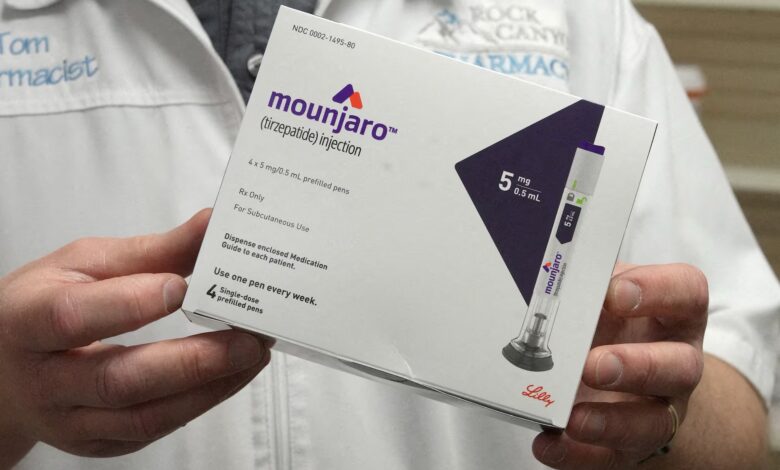
- Mounjaro
- Zepbound
These medications have transformed obesity treatment by helping patients achieve substantial weight loss while also improving blood sugar control and reducing risks linked to diabetes and cardiovascular disease.
Eli Lilly is already one of the leading players in the sector through its blockbuster drug tirzepatide, sold under Mounjaro and Zepbound.
Experimental Drug Reportedly Shows Even Stronger Results
The newly announced injection reportedly targets multiple metabolic pathways associated with appetite regulation, insulin response, and energy balance.
While full peer-reviewed data from the trial has not yet been publicly released, the company claims the treatment delivered weight reduction levels exceeding those seen with currently approved therapies.
Healthcare analysts say the results could significantly strengthen Eli Lilly’s position in what is becoming one of the most valuable pharmaceutical markets in history.
The global obesity drug market is projected to reach hundreds of billions of dollars over the next decade as demand surges worldwide.
Why Obesity Drugs Are Becoming So Important
Obesity is increasingly viewed not only as a lifestyle issue but also as a major chronic medical condition linked to:
- Type 2 diabetes
- Heart disease
- Stroke
- Fatty liver disease
- Sleep apnea
- Certain cancers
New-generation obesity drugs have gained popularity because they offer significantly higher weight reduction compared to older treatments.
Some patients using modern GLP-1 medications have reportedly lost over 15–20% of body weight during treatment programs.
Investors and Healthcare Industry Watching Closely
The obesity drug boom has dramatically increased valuations of companies involved in metabolic medicine and biotechnology.
Eli Lilly and Novo Nordisk have emerged as dominant players in the sector, with intense competition now focused on developing even more effective next-generation treatments.
Analysts believe future competition will likely center around:
- Greater weight-loss effectiveness
- Fewer side effects
- Oral drug alternatives
- Lower pricing
- Long-term cardiovascular benefits
- Improved patient accessibility
If the latest trial results are confirmed through regulatory review and additional studies, Eli Lilly’s experimental injection could become one of the most significant breakthroughs yet in obesity medicine.


