Iranian Hackers Posed as Job Recruiters to Target Aviation Engineers During Iran Conflict, Researchers Say

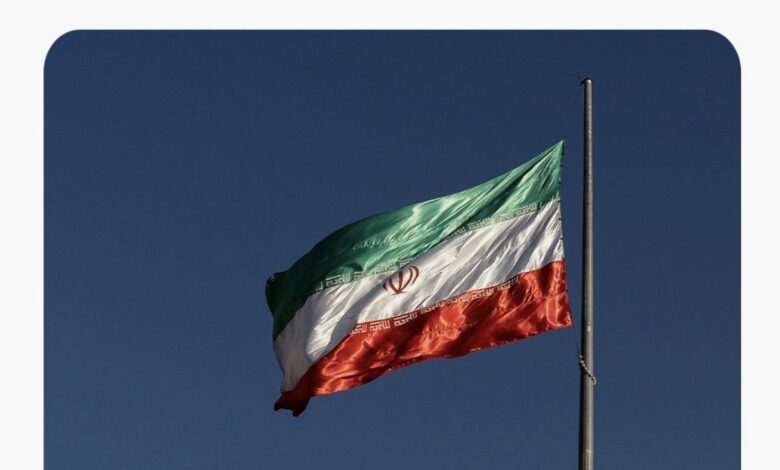
Iranian hackers allegedly posed as job recruiters to target software engineers working in the aviation sector as part of a sophisticated cyber espionage operation during the recent conflict involving the United States, Israel, and Iran.
According to researchers from Palo Alto Networks Unit 42, the hackers also targeted organizations connected to the oil and gas industry as well as entities in Israel and the United Arab Emirates.
The operation reportedly relied on fake job postings, recruiter impersonation, and malware-infected video conferencing software designed to trick engineers into compromising their systems.
Fake Recruitment Campaign Used as Espionage Tool
Researchers say the hackers focused specifically on highly skilled software engineers because such employees often have deep access to internal company networks and sensitive infrastructure systems.
One of the fake recruitment campaigns reportedly impersonated a US airline seeking to hire a “senior software engineer.” Investigators believe some of the job descriptions may have been generated using artificial intelligence to appear more legitimate and professional.
The attackers allegedly attempted to distribute malware through:
- Fake job application processes
- Malicious interview software
- Infected conference tools
- Credential harvesting schemes
- Social engineering tactics
Cybersecurity analysts say such operations are becoming increasingly advanced as state-linked hacking groups combine AI-generated content with traditional espionage techniques.
Aviation and Energy Sectors Seen as Strategic Targets
Security experts believe targeting aviation and energy companies could potentially provide valuable intelligence involving:
- Flight operations
- Passenger and logistics data
- Middle East travel patterns
- Energy market movements
- Industrial infrastructure systems
Researchers stated they currently do not believe the hackers successfully breached the targeted aviation or oil companies involved in this particular campaign, though some other organizations may have been compromised globally.
Growing Cyber Tensions During Regional Conflict
The alleged operation comes amid heightened cyber warfare concerns during the recent military escalation involving Iran, Israel, and the United States.
American officials have reportedly been monitoring signs of Iranian cyber activity targeting critical infrastructure, particularly after military strikes and regional tensions intensified.
Cybersecurity researchers note that Iran has long been accused of operating sophisticated cyber espionage and influence campaigns targeting:
- Defense contractors
- Aerospace firms
- Government agencies
- Financial systems
- Energy infrastructure
Aviation Industry on Alert
The Aviation Information Sharing and Analysis Center, a global aviation cybersecurity group, reportedly said the alleged Iranian activity did not come as a surprise due to the geopolitical climate surrounding the conflict.
Experts warn that recruitment-based cyberattacks are becoming increasingly common because they exploit human trust rather than directly attacking hardened technical systems.
The campaign also reflects a broader global trend where nation-state hackers increasingly use:
- LinkedIn-style recruitment scams
- Fake IT support operations
- AI-generated identities
- Remote work tools
- Corporate impersonation tactics
to infiltrate organizations.
Cyber Warfare Becoming Central to Modern Conflict
Security analysts say the incident highlights how cyber operations are now deeply integrated into modern geopolitical conflicts alongside conventional military operations.
Rather than relying only on missiles or direct attacks, countries increasingly use cyber espionage to:
- Gather intelligence
- Monitor infrastructure
- Disrupt adversaries
- Influence strategic sectors
- Gain economic leverage
As tensions continue rising globally, cybersecurity experts warn that highly targeted social-engineering campaigns against critical industries are likely to become even more sophisticated in the years ahead.