

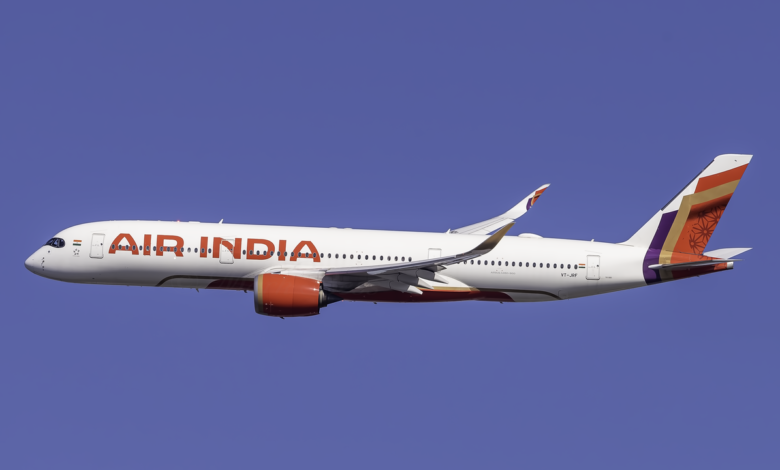
Air India is reportedly planning to reduce around 22% of its domestic flight operations due to the growing impact of high aviation fuel prices.
The move reflects increasing financial pressure on airlines as global energy costs continue rising amid geopolitical tensions and oil market volatility.
Rising Fuel Prices Hitting Aviation Sector
Aviation turbine fuel (ATF) remains one of the largest operating expenses for airlines.
The recent surge in fuel prices has significantly increased costs involving:
- Flight operations
- Route management
- Logistics
- Fleet utilization
- Ticket pricing strategies
Airlines worldwide are facing pressure from elevated crude oil prices and broader instability in global energy markets.
Domestic Flight Reductions Expected
The reported 22% cut in domestic operations could affect:
- Flight frequency
- Route availability
- Regional connectivity
- Passenger scheduling
Analysts say airlines often reduce less profitable routes first when operational costs rise sharply.
Passengers may potentially experience:
- Fewer flight options
- Higher ticket prices
- Increased travel demand pressure on remaining routes
Indian Aviation Sector Under Pressure
India’s aviation industry has been dealing with multiple challenges including:
- High fuel costs
- Currency fluctuations
- Aircraft leasing expenses
- Competitive pricing pressure
- Airport infrastructure costs
ATF prices in India are among the highest globally due to taxation and import dependency.
Global Oil Volatility Affecting Airlines
The aviation industry remains highly sensitive to fluctuations in crude oil markets.
Recent geopolitical tensions involving:
- Middle East conflicts
- Strait of Hormuz concerns
- Shipping disruptions
have contributed to heightened energy price uncertainty globally.
Fuel expenses can account for a major share of airline operating costs, making sustained price increases particularly difficult for carriers.
Ticket Prices Could Rise Further
Experts warn that reduced flight capacity combined with higher operating costs could eventually lead to:
- More expensive airfares
- Reduced promotional pricing
- Increased travel costs for consumers
Domestic air travel demand in India has remained strong, but airlines continue balancing growth ambitions with profitability pressures.
Air India Undergoing Major Transformation
The development comes during Air India’s broader modernization and restructuring phase under the Tata Group.
The airline has been aggressively investing in:
- Fleet expansion
- Aircraft modernization
- International growth
- Premium service upgrades
However, rising operational costs remain a major challenge for the entire aviation sector.
Aviation Industry Watching Fuel Markets Closely
Industry analysts say future airline strategies will heavily depend on:
- Crude oil prices
- Fuel taxation policies
- Passenger demand trends
- Global economic conditions
If fuel prices remain elevated for extended periods, additional airlines may also revise schedules, routes, or pricing structures.
Economic Ripple Effects Possible
Reduced domestic connectivity can potentially affect:
- Tourism
- Business travel
- Regional economies
- Cargo movement
- Airport operations
India’s rapidly growing aviation market is considered one of the world’s most important long-term airline growth regions, making developments involving major carriers closely watched across the industry.