
Iran Releases Initial Details of Proposed US-Iran Agreement as Strait of Hormuz Reopening Nears

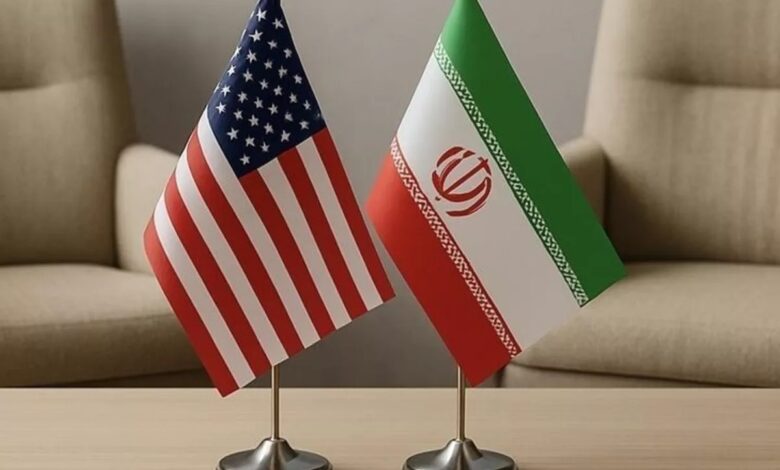
Iran has released what it describes as the first official details of a proposed understanding with the United States aimed at reducing military tensions and restoring stability in the Persian Gulf region.
According to Iranian state media reports, the proposed framework could significantly reshape security arrangements around the strategically critical Strait of Hormuz, one of the world’s most important energy transit routes.
The reported agreement comes after weeks of heightened geopolitical tensions that disrupted global oil markets, shipping activity, and international trade flows.
Proposed Deal Could Reduce Regional Military Tensions
Under the reported framework, US military forces would reportedly withdraw from several areas near Iran as part of broader de-escalation efforts.
The agreement would also involve the lifting of the US naval blockade around the Strait of Hormuz, a move that markets and shipping operators have been watching closely due to the strait’s enormous importance to global energy transportation.
Iranian officials reportedly stated that commercial shipping traffic through Hormuz could return to pre-war operating levels within approximately one month if the agreement proceeds successfully.
The Strait of Hormuz handles a major share of global oil and liquefied natural gas shipments, making stability in the region critically important for international energy markets.
Iran and Oman May Jointly Oversee Shipping Traffic
One of the most significant reported elements of the proposed agreement involves joint management of ship traffic through the strait by Iran and Oman.
Oman has historically played an important diplomatic role in facilitating communication between Iran and Western governments and is often viewed as a relatively neutral regional mediator.
Analysts say joint maritime coordination could potentially help reduce risks involving:
- Commercial shipping disruptions
- Naval confrontations
- Insurance costs for tankers
- Supply chain instability
However, experts caution that implementing such arrangements would likely require extensive coordination involving regional powers, international shipping companies, and military authorities.
Global Oil Markets Reacting Closely
Financial and energy markets are monitoring the developments extremely closely because any sustained reopening of the Strait of Hormuz could significantly ease global energy pressures.
Recent tensions in the region had contributed to:
- Rising oil prices
- Increased shipping insurance costs
- Fuel price spikes
- Global inflation concerns
Countries heavily dependent on imported energy, including India, have been particularly vulnerable to instability around the strait.
Any restoration of stable shipping routes could potentially lower pressure on:
- Fuel prices
- Freight costs
- Global supply chains
- Inflationary trends
Final Agreement Still Not Confirmed
Despite the optimistic signals emerging from Iranian media, officials and analysts continue warning that negotiations remain highly sensitive and complex.
Major unresolved issues reportedly still include:
- Sanctions
- Security guarantees
- Military positioning
- Nuclear-related concerns
- Long-term maritime enforcement mechanisms
No final legally binding agreement has yet been formally confirmed by both governments.
Geopolitical Implications Could Be Massive
Experts say a successful US-Iran understanding would represent one of the most significant geopolitical developments in the Middle East in recent years.
Beyond oil markets, the agreement could influence:
- Global shipping routes
- Regional military dynamics
- International trade stability
- Diplomatic relations across the Gulf
However, analysts also warn that the region remains extremely fragile, and even minor breakdowns in negotiations could quickly reignite tensions.
For now, governments, energy traders, and financial markets worldwide are closely watching whether the proposed framework evolves into a lasting diplomatic breakthrough.


