
China Warns India Against Interfering in Dalai Lama Succession Issue

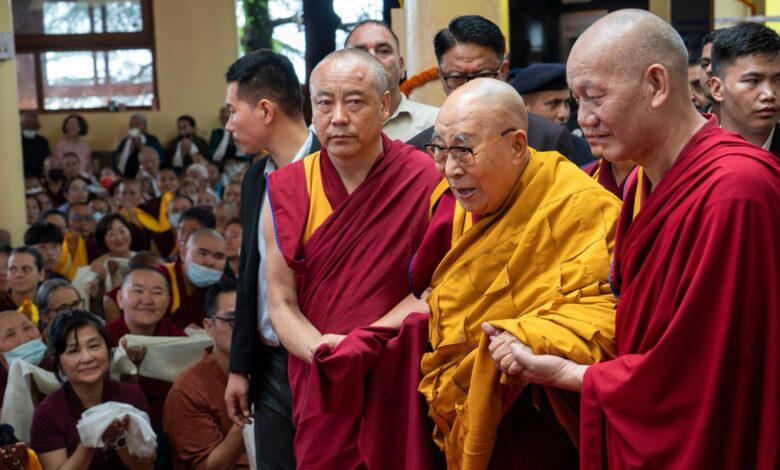

China has warned India against interfering in matters related to the succession of Dalai Lama, amid growing international discussion over the future leadership of Tibetan Buddhism. (cnbctv18.com)
The statement adds fresh diplomatic tension to the already sensitive relationship between India and China, where issues involving Tibet remain politically and strategically significant.
Why the Dalai Lama Succession Matters
The Dalai Lama is the spiritual leader of Tibetan Buddhism and has lived in exile in India since 1959 after fleeing Tibet following a failed uprising against Chinese rule.
The succession question has become one of the most sensitive geopolitical and religious issues involving:
- Tibet
- China’s sovereignty claims
- Religious authority
- International diplomacy
China insists that the next Dalai Lama must be approved under Chinese government procedures, while many Tibetan groups argue that religious succession should remain independent from state control.
China’s Warning to India

Chinese officials reportedly stated that India should avoid actions that could be interpreted as interference in China’s internal affairs regarding Tibet and the Dalai Lama succession process. (cnbctv18.com)
Beijing has long viewed Tibetan political and religious activities abroad as highly sensitive matters tied to national unity and territorial sovereignty.
The warning comes amid renewed global attention on how the future spiritual leadership of Tibetan Buddhism may be determined.
India’s Position Remains Sensitive
India hosts:
- The Dalai Lama
- The Tibetan government-in-exile
- A large Tibetan refugee community
This has historically made Tibet an important but delicate issue in India-China relations.
New Delhi has generally maintained a cautious diplomatic balance by officially recognizing Tibet as part of China while also allowing Tibetan religious and cultural institutions to function within India.
Geopolitical Implications
Analysts say the Dalai Lama succession issue could become a major geopolitical flashpoint in the future.
Experts believe multiple competing claims over the next Dalai Lama could potentially emerge, creating tensions involving:
- China
- India
- Tibetan Buddhist communities
- International governments
- Human rights organizations
Some observers fear the issue may further complicate already strained India-China relations, which continue to face friction over:
- Border disputes
- Strategic competition
- Regional influence
- Indo-Pacific geopolitics
Tibet Issue Continues to Carry Global Sensitivity
The Tibet issue remains internationally sensitive because it intersects:
- Religion
- Human rights debates
- National sovereignty
- Ethnic identity
- Geopolitical strategy
The Dalai Lama himself has previously suggested that his reincarnation process may not necessarily follow traditional expectations and has indicated that Tibetans themselves should decide the future succession framework.
China, however, maintains that only Beijing has the legal authority to formally recognize the next Dalai Lama under Chinese regulations governing religious reincarnations.
Diplomatic Tensions Likely to Continue
The latest warning reflects how deeply symbolic and politically sensitive the Dalai Lama succession issue remains for China.
With the future leadership of Tibetan Buddhism carrying major religious, cultural, and geopolitical implications, analysts expect the topic to remain a source of diplomatic tension between Beijing and countries hosting Tibetan exile communities, including India.


