
US Releases New Batch of Declassified UFO Files, Revealing Hundreds of Military UAP Reports

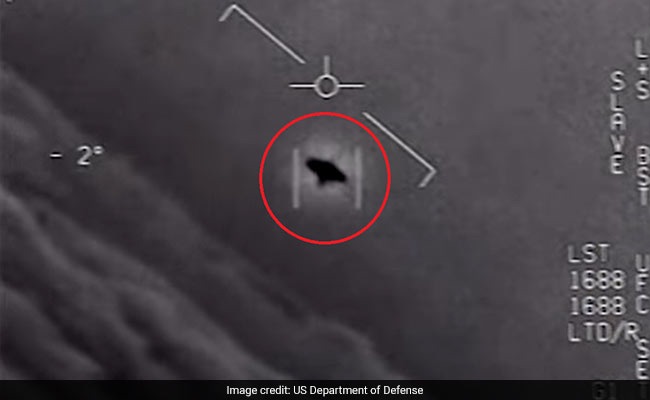
The United States government has released a second major batch of declassified files related to unidentified aerial phenomena (UAPs), commonly referred to as UFOs, providing fresh insight into years of military observations, radar detections, and unexplained aerial incidents.
The newly released documents contain hundreds of records involving encounters reported by military personnel, pilots, intelligence officials, and surveillance systems. (reuters.com)
The release is part of the US government’s broader effort to increase transparency surrounding UAP investigations after years of public pressure, congressional hearings, and growing national security concerns.
What the Newly Released Files Contain
According to reports, the files include:
- Pilot encounter reports
- Radar tracking data
- Infrared and surveillance footage
- Military observation logs
- Historical UAP investigations
- Airspace incident records
Many cases remain officially classified as “unresolved” due to insufficient data or inability to conclusively identify the objects observed. (reuters.com)
Officials stressed that “unidentified” does not automatically mean extraterrestrial, but rather indicates that investigators lacked enough evidence to determine the exact nature of the objects.
Pentagon and Intelligence Agencies Continue Investigations
Over recent years, the Pentagon and intelligence agencies have increasingly acknowledged that military personnel have encountered aerial phenomena that could not immediately be explained.
The US government created specialized review offices to investigate potential threats involving:
- Advanced foreign technology
- Drone incursions
- Sensor anomalies
- Unknown airborne systems
National security officials say some incidents raised concerns because the objects reportedly displayed unusual flight characteristics or appeared near sensitive military areas.
No Confirmed Evidence of Alien Technology
Despite widespread public fascination, officials say the latest document release still does not provide verified proof of:
- Extraterrestrial spacecraft
- Alien life
- Reverse-engineered non-human technology
- Confirmed non-human intelligence
Most experts reviewing the files say many sightings likely involve a combination of:
- Misidentified aircraft
- Atmospheric effects
- Experimental technologies
- Sensor errors
- Classified military systems
However, a smaller number of incidents remain unexplained even after investigation.
UFO Debate Growing Worldwide
Interest in UFOs and UAPs has expanded dramatically in recent years following:
- Congressional hearings in the United States
- Navy pilot testimony
- Declassified military videos
- Intelligence community reports
- Increased transparency initiatives
The topic has gradually shifted from fringe speculation toward a more mainstream national security and aerospace discussion.
Governments worldwide are now paying closer attention to unidentified aerial incidents due to concerns involving:
- Airspace security
- Surveillance threats
- Emerging drone technologies
- Foreign military capabilities
Public Fascination Continues
The release of additional files is expected to fuel continued public interest and speculation surrounding unexplained aerial phenomena.
Social media discussions and online communities have already begun analyzing the newly published records, with some users interpreting certain cases as evidence of advanced unknown technologies.
Scientists and aerospace experts, however, continue urging caution against drawing conclusions without verifiable evidence.
For now, the newly released files primarily reinforce one conclusion: governments are increasingly willing to publicly acknowledge that military personnel have encountered aerial phenomena they could not immediately explain.