
Student Criticizing CBSE Evaluation Process Faces Online Abuse and Nationality Slurs

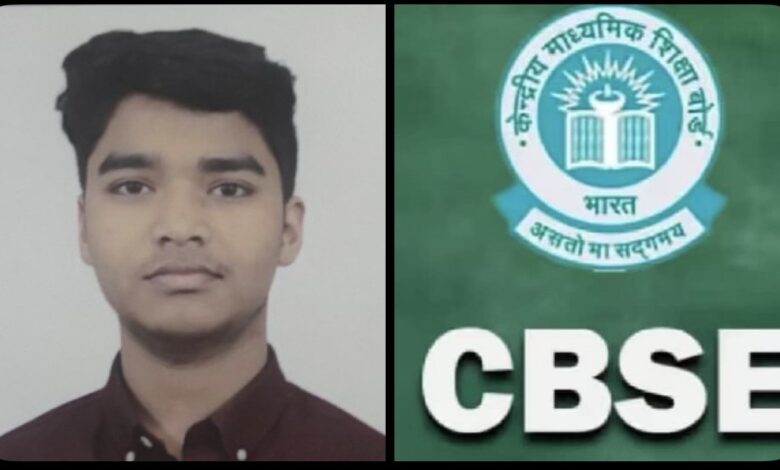
A student identified as Vedant reportedly became the target of online abuse and coordinated trolling after raising concerns regarding the Central Board of Secondary Education evaluation process.
According to discussions circulating online, some users on social media allegedly labeled the student “Pakistani” and subjected him to aggressive personal attacks after his criticism of the examination system gained visibility.
Debate Around CBSE Evaluation Process
The controversy reportedly began after Vedant questioned aspects of the CBSE evaluation and marking process, sparking wider conversations among students regarding:
- Examination transparency
- Marking consistency
- Rechecking procedures
- Academic pressure
- Student grievances
The remarks quickly spread across social media platforms, where reactions became highly polarized.
Online Trolling and Nationality-Based Abuse
Many users online criticized the student’s statements, while others defended his right to question institutional systems.
However, the situation escalated after some social media accounts allegedly:
- Used nationality-based slurs
- Called him “anti-national”
- Labeled him “Pakistani”
- Targeted him personally online
The incident has reignited debate over toxic online behavior and the growing tendency to frame criticism as disloyalty on social media platforms.
Concerns Over Online Harassment Culture
Digital rights observers say online harassment campaigns are becoming increasingly common in India’s highly polarized internet environment.
Students, journalists, creators, and public figures frequently face:
- Coordinated trolling
- Abuse campaigns
- Doxxing threats
- Nationalist labeling
- Personal attacks
Experts warn that such behavior can create chilling effects on open discussion and discourage individuals from expressing concerns publicly.
Social Media Polarization Intensifying
The incident reflects a broader trend where discussions involving education, politics, or governance increasingly turn into highly emotional online confrontations.
Analysts say algorithm-driven engagement systems often amplify:
- Outrage content
- Identity-based attacks
- Viral harassment
- Polarized narratives
This can rapidly escalate relatively ordinary criticism into large-scale social media controversies.
Debate Over Criticism and Patriotism
Supporters defending the student argued that questioning examination systems or institutional procedures should not automatically attract accusations regarding patriotism or nationality.
Critics of online harassment say democratic societies require space for:
- Student feedback
- Institutional accountability
- Public criticism
- Open discussion
without individuals being subjected to abusive labeling or coordinated online attacks.
Growing Focus on Student Mental Health
The controversy also comes amid increasing concern about student mental health in India’s highly competitive academic environment.
Education experts have repeatedly warned about:
- Examination stress
- Social pressure
- Cyberbullying
- Online harassment
- Public shaming
Many psychologists argue that viral online targeting can significantly worsen anxiety and emotional distress, particularly among younger individuals.
Digital Conduct Under Fresh Scrutiny
The incident has once again sparked discussions around:
- Responsible social media use
- Online mob behavior
- Digital ethics
- Platform moderation
- Cyber harassment laws
As education debates increasingly move online, experts warn that maintaining respectful public discourse may become one of the biggest challenges facing India’s digital culture.


