
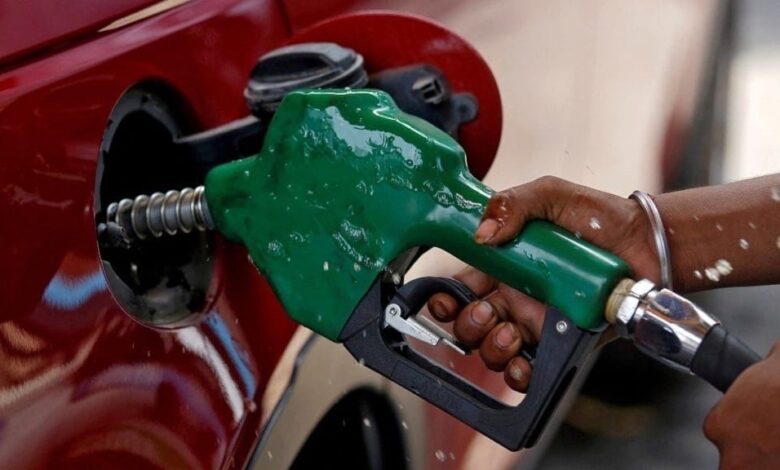
Fuel prices in India have increased sharply again, with diesel becoming costlier by ₹2.71 per litre and petrol prices rising by ₹2.61 per litre across multiple regions.
The latest revision marks the fourth fuel price hike within just 12 days, intensifying concerns over inflation, transportation costs, and pressure on household budgets.
Latest Fuel Price Increase
According to revised rates issued by oil marketing companies:
- Diesel prices increased by ₹2.71 per litre
- Petrol prices increased by ₹2.61 per litre
Retail fuel prices continue to vary across cities depending on:
- State taxes
- VAT rates
- Freight charges
- Local levies
Major cities including:
- Delhi
- Mumbai
- Kolkata
- Chennai
have all witnessed fresh upward revisions in pump prices.
Why Fuel Prices Keep Rising
The repeated increases come amid continued uncertainty in global energy markets driven by:
- Rising crude oil prices
- Middle East geopolitical tensions
- Shipping disruptions
- Insurance cost increases
- Currency fluctuations
India imports the majority of its crude oil requirements, making domestic fuel prices highly sensitive to international oil markets and the rupee-dollar exchange rate.
Inflation Concerns Intensifying
Economists warn that repeated fuel hikes can have widespread effects across the economy because transportation costs influence prices of:
- Food products
- Consumer goods
- Logistics services
- Public transport
- Agricultural operations
Higher diesel prices are particularly important because diesel powers a large share of India’s freight and transport network.
The latest hikes could therefore increase pressure on retail inflation in the coming weeks.
Consumers and Businesses Under Pressure
The repeated increases are likely to affect:
- Daily commuters
- Transport operators
- Delivery businesses
- Farmers
- Small businesses
Consumers are already facing rising costs across multiple sectors including food, utilities, and transportation.
Commercial transport companies may also pass higher fuel costs onto customers through increased freight and delivery charges.
Government Facing Growing Pressure
The latest hikes are expected to intensify calls for:
- Excise duty reductions
- VAT cuts by states
- Fuel subsidies
- Price stabilization measures
However, governments must also balance fiscal pressures and international energy realities.
Oil marketing companies continue dealing with fluctuating margins due to volatile global crude prices and supply disruptions.
Global Energy Markets Remain Volatile
International oil markets remain highly unstable due to:
- Tensions in the Middle East
- Strait of Hormuz uncertainty
- OPEC production decisions
- Global shipping risks
- Demand fluctuations
Any further escalation involving major oil-producing regions could potentially push fuel prices even higher globally.
As one of the world’s largest energy importers, India remains especially vulnerable to external oil market shocks.
Consumers and markets are now closely watching whether additional fuel price hikes may follow if crude oil prices remain elevated in the coming days.


