
India Considering Single Entrance Exam for JEE and NEET After Paper Leak Controversies

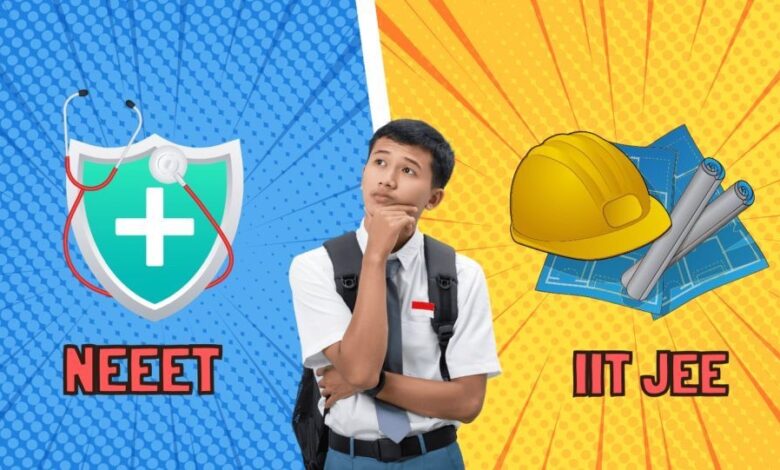
The Government of India is reportedly evaluating a proposal to merge the country’s two biggest entrance examinations — Joint Entrance Examination (JEE) and National Eligibility cum Entrance Test (NEET) — into a single national entrance exam framework.
The proposal comes after recommendations made by a high-level committee formed in response to the NEET-UG paper leak controversies that triggered nationwide outrage and scrutiny of India’s examination system.
Why the Proposal Is Being Considered
Authorities are reportedly exploring the idea as part of broader reforms aimed at restructuring the National Testing Agency and improving examination security.
The discussions intensified after repeated controversies involving:
- NEET paper leak allegations
- Exam cancellations
- Student protests
- Investigation by agencies
- Questions over examination integrity
Officials believe a redesigned centralized system could potentially:
- Reduce administrative duplication
- Improve monitoring mechanisms
- Strengthen digital security
- Simplify examination processes
- Lower logistical complexity
How the Common Entrance Framework Could Work
According to reports, the proposed model would still include stream-specific subject sections tailored to different career paths.
For example:
- Mathematics-focused sections for engineering aspirants
- Biology-focused sections for medical candidates
- Shared core sections for common subjects
This means students would not necessarily be forced into identical question patterns despite using a unified testing framework.
Experts say the structure may resemble international standardized testing systems where:
- Core aptitude sections are shared
- Specialized subjects vary by stream
One of India’s Biggest Education Reforms
If implemented, the proposal could become one of the largest changes ever made to India’s higher education entrance ecosystem.
Currently:
- JEE is used primarily for engineering admissions
- NEET is used for medical admissions
Together, the exams involve millions of students annually and fuel one of the world’s largest coaching industries.
Major Debate Already Emerging
The proposal has already sparked significant debate among educators, students, and policymakers.
Supporters argue the move could:
- Reduce exam-related stress
- Cut coaching burden
- Simplify admissions
- Lower costs for families
- Improve transparency
Critics, however, warn that:
- Engineering and medical aptitude differ significantly
- Students may face even greater pressure in a combined system
- Exam complexity could increase
- Implementation challenges may be massive
Some experts also fear the reform could unintentionally strengthen coaching dependency if not carefully designed.
Focus on Digital Security and Reform
The proposal is part of a broader push to modernize India’s entrance examination system after repeated security concerns.
Authorities are reportedly examining:
- Computer-based testing models
- AI-powered surveillance systems
- Adaptive exam formats
- Encrypted digital paper distribution
- Centralized cybersecurity monitoring
The government is under increasing pressure to restore public trust in national examinations following recent paper leak scandals.
Students and Coaching Industry Watching Closely
Any decision involving JEE and NEET would have massive implications for:
- Students
- Parents
- Coaching institutes
- Universities
- Testing infrastructure companies
India’s competitive exam ecosystem is deeply tied to educational migration, private coaching hubs, and family financial planning.
For now, officials have not announced any final policy decision, and discussions are believed to remain at the proposal and consultation stage.
However, the possibility of a unified entrance system is already becoming one of the most discussed education reform topics in the country.