Gig Workers Call for Nationwide Shutdown, Demand ₹20 Per KM Minimum Pay

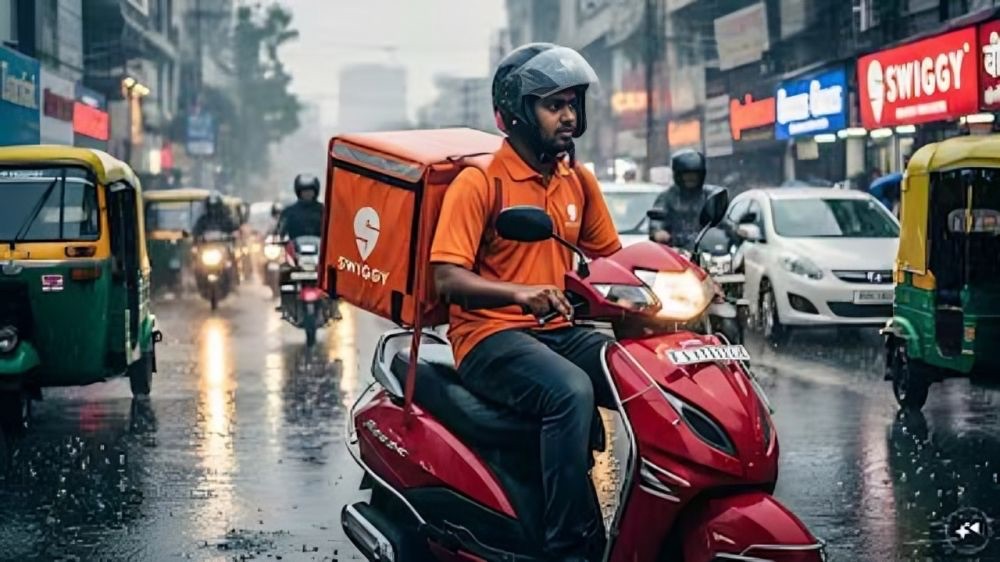
Gig workers associated with app-based platforms including food delivery, ride-hailing, and logistics services have announced a nationwide shutdown from 12 pm to 5 pm today, intensifying pressure on major tech platforms over worker compensation.
The protesting workers are demanding:
- a minimum payment of ₹20 per kilometre,
- improved incentive structures,
- social security protections,
- and greater transparency in platform algorithms.
The strike is expected to impact:
- food delivery services,
- bike taxis,
- cab bookings,
- parcel deliveries,
- and quick commerce operations across several Indian cities.
Why Gig Workers Are Protesting
Worker unions and gig economy groups say earnings have fallen sharply in recent years despite rising:
- fuel prices,
- vehicle maintenance costs,
- inflation,
- and platform commissions.
Many workers argue that app-based companies continue reducing per-order payouts while increasing pressure through algorithm-based performance systems.
Several drivers and delivery partners have also raised concerns over:
- long working hours,
- unpredictable incentives,
- and lack of employment benefits.
Gig Economy Under Increasing Scrutiny
India’s gig economy has rapidly expanded over the past decade through platforms such as:
- food delivery apps,
- ride-sharing services,
- hyperlocal delivery networks,
- and e-commerce logistics firms.
The sector now employs millions of workers and has become a critical part of India’s digital economy.
However, labor rights experts say regulatory frameworks have struggled to keep pace with the growth of platform-based employment.
The latest protest highlights broader global debates around:
- gig worker classification,
- minimum wage protections,
- algorithmic management,
- and platform accountability.
Impact on App-Based Services
Customers in several cities may experience:
- longer delivery times,
- surge pricing,
- limited driver availability,
- and temporary service disruptions during the shutdown window.
Some worker groups are also urging consumers to support the protest by avoiding app usage during the strike period.
Major app-based companies have not yet issued detailed public responses regarding the nationwide action.
Government Pressure May Increase
The protest could increase pressure on policymakers to accelerate regulation around India’s fast-growing gig economy.
Several states have already explored:
- social welfare contributions,
- insurance frameworks,
- and worker protection policies for platform workers.
Experts believe future regulation may eventually include:
- minimum earnings guarantees,
- fuel-linked compensation models,
- and mandatory welfare mechanisms.
As India’s digital economy expands, the battle between gig workers and platform companies is increasingly becoming a major economic and political issue.


